By Forster Jones International
Furnishing an upscale Palo Alto home is an entirely different undertaking than furnishing any other property. The architecture here demands furniture that rises to meet it. Every piece you select either elevates the home's character or quietly works against it.
Palo Alto's most sought-after residences are defined by clean architectural lines, abundant natural light, and a level of craftsmanship that shows in every detail, from the millwork to the window placement. Furniture choices need to honor that same standard. A beautiful home can be diminished by furniture that feels mismatched in scale, quality, or intention, while the right pieces can make even a well-designed space feel truly extraordinary.
This guide will walk you through how to approach furniture selection for an upscale Palo Alto property, from understanding scale and proportion to selecting materials that will stand the test of time. These principles will help you build interiors worthy of the address.
Key Takeaways
- Assess the architecture of your home before selecting any furniture.
- Prioritize quality materials and construction over trend-driven pieces.
- Choose a cohesive palette that flows naturally from room to room.
- Invest in statement pieces for high-visibility spaces, including the living and dining rooms.
Start With the Architecture, Not the Catalog
The single biggest mistake in furnishing an upscale home is starting with a piece you love rather than the room it needs to live in. Palo Alto's premier homes each carry a distinct architectural language. A home defined by soaring ceilings and glass walls calls for furniture that can hold its own in an open, light-filled space, while a more traditional estate may call for pieces with greater warmth and detail.
Before purchasing anything, walk through each room and take note of its proportions, its natural light throughout the day, and the sightlines between spaces. In many Palo Alto homes, the living and dining areas flow into one another, so furniture in one space is almost always visible from another. This means that your selections need to work together as a complete composition, not as isolated choices made room by room.
Consider also how the home will actually be used. A formal living room that hosts occasional gatherings has different furniture needs than a living room used daily. Matching furniture to lifestyle, as well as to architecture, ensures the finished home feels both beautiful and genuinely livable.
Before purchasing anything, walk through each room and take note of its proportions, its natural light throughout the day, and the sightlines between spaces. In many Palo Alto homes, the living and dining areas flow into one another, so furniture in one space is almost always visible from another. This means that your selections need to work together as a complete composition, not as isolated choices made room by room.
Consider also how the home will actually be used. A formal living room that hosts occasional gatherings has different furniture needs than a living room used daily. Matching furniture to lifestyle, as well as to architecture, ensures the finished home feels both beautiful and genuinely livable.
What To Look For
- Ceiling height and how it affects the scale of furniture pieces.
- The flow between adjoining rooms and how the furniture will read across sightlines.
- Natural light patterns throughout the day, including where direct sun may affect fabric or wood.
- The architectural era of the home, such as mid-century modern, contemporary, or traditional.
- How each room will actually be used day to day.
Prioritize Quality and Craftsmanship
In a market where homes routinely reach the highest price points in the Bay Area, furniture should reflect the same commitment to top quality found in the property itself. This does not mean every piece needs to be the most expensive option available; it means choosing furniture built with real craft, using materials that age well and construction that will hold up for decades.
Solid wood frames, full-grain leather, and natural fiber upholstery tend to outperform their lower-cost counterparts both aesthetically and structurally. These materials develop character over time rather than showing wear. When evaluating a piece, look underneath and behind it. Well-made furniture reveals its quality in the details that are not immediately visible, including how the joints are constructed, how the drawers glide, and how the fabric is attached to a frame.
It is also worth thinking generationally. Many upscale Palo Alto buyers are furnishing a home they intend to live in for decades, and in some cases, pass along. Furniture that is well-made becomes part of the home's story rather than something that needs replacing every few years.
Solid wood frames, full-grain leather, and natural fiber upholstery tend to outperform their lower-cost counterparts both aesthetically and structurally. These materials develop character over time rather than showing wear. When evaluating a piece, look underneath and behind it. Well-made furniture reveals its quality in the details that are not immediately visible, including how the joints are constructed, how the drawers glide, and how the fabric is attached to a frame.
It is also worth thinking generationally. Many upscale Palo Alto buyers are furnishing a home they intend to live in for decades, and in some cases, pass along. Furniture that is well-made becomes part of the home's story rather than something that needs replacing every few years.
Signs Of Quality Construction
- Solid wood or hardwood frames rather than particleboard or laminate.
- Full-grain leather or natural fiber upholstery fabrics.
- Dovetail joints on drawers rather than glued or stapled construction.
- Weight and stability.
- A warranty or provenance that speaks to the manufacturer's reputation.
Build a Cohesive Palette Across the Home
One of the clearest signs of a thoughtfully furnished home is a palette that feels intentional from room to room. This does not mean every space should match exactly; it means there should be a visual thread, whether through wood tones, metal finishes, or a consistent color story, that ties the home together.
Many of Palo Alto's finest homes lean toward a palette of warm neutrals, natural materials, and understated tones that let the architecture and the surrounding landscape take center stage. This approach tends to age gracefully and photograph beautifully, both of which matter if you plan to sell in the future. A cohesive color palette also makes it easier to layer in art, textiles, and accessories over time without the home ever feeling disjointed.
As you select furniture, keep a running reference of the wood tones, metal finishes, and fabric colors you have already chosen. This simple practice prevents a home from feeling like a collection of unrelated pieces and instead creates the sense that every room was designed with the next one in mind.
Many of Palo Alto's finest homes lean toward a palette of warm neutrals, natural materials, and understated tones that let the architecture and the surrounding landscape take center stage. This approach tends to age gracefully and photograph beautifully, both of which matter if you plan to sell in the future. A cohesive color palette also makes it easier to layer in art, textiles, and accessories over time without the home ever feeling disjointed.
As you select furniture, keep a running reference of the wood tones, metal finishes, and fabric colors you have already chosen. This simple practice prevents a home from feeling like a collection of unrelated pieces and instead creates the sense that every room was designed with the next one in mind.
Elements To Coordinate
- Wood tones across case goods, flooring, and millwork.
- Metal finishes on lighting, hardware, and furniture legs.
- A primary and secondary color palette, consistently incorporated throughout the home.
- Textile textures that complement rather than compete with one another.
- Transitional pieces that help connect open-concept spaces.
Invest Strategically in Statement Pieces
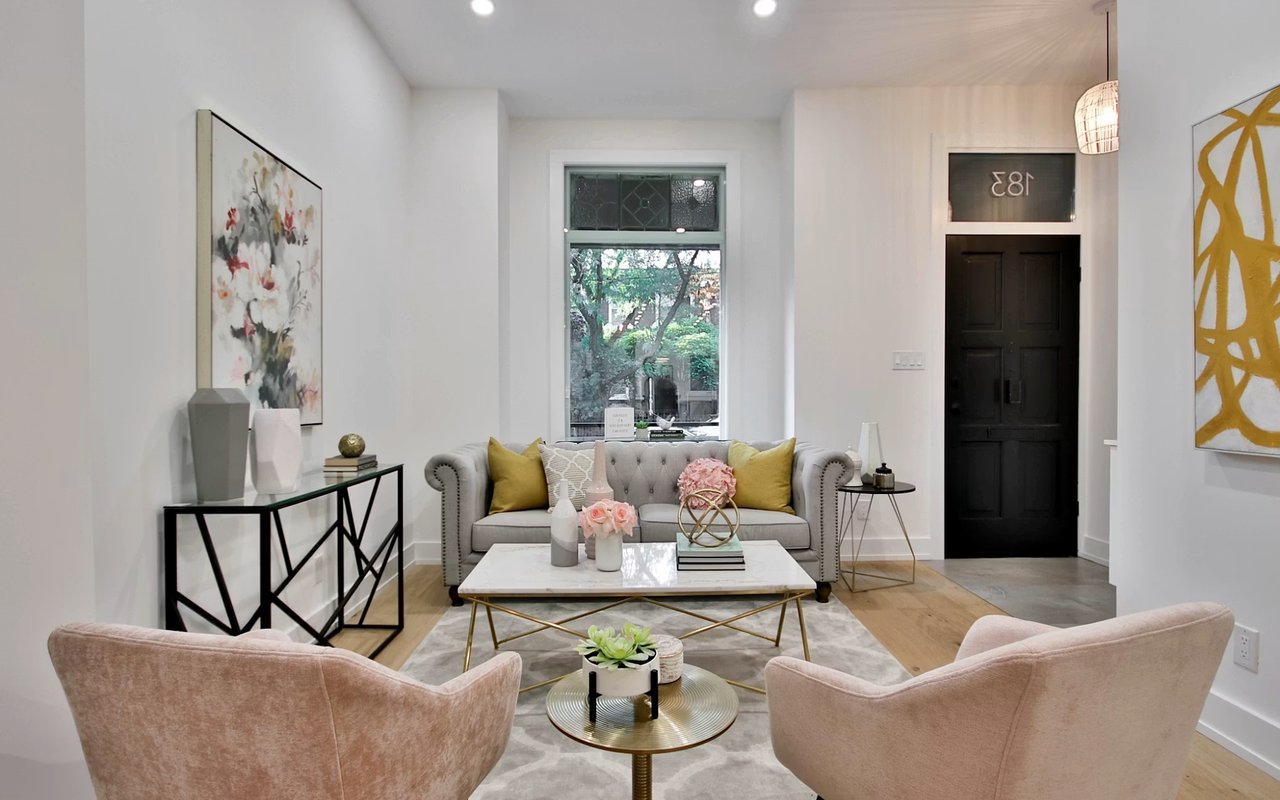
Not every piece in a home needs the same level of investment, but certain rooms and certain pieces deserve extra consideration. The living room sofa, the dining table, and any furniture placed in a home's most visible or most frequently used spaces are worth the greatest investment, both financially and in terms of the time spent selecting them.
A well-chosen dining table, for example, often becomes the anchor of a home's most memorable gatherings and should be selected with both durability and scale in mind. Similarly, a primary living room sofa is used daily and seen by nearly every guest, making it a piece where quality and comfort should never be compromised.
For secondary spaces, such as a guest bedroom or a home office, there is more room to be flexible with budget while still maintaining the home's overall design language. This strategic approach allows a homeowner to allocate resources where they matter most, without sacrificing quality anywhere in the home.
A well-chosen dining table, for example, often becomes the anchor of a home's most memorable gatherings and should be selected with both durability and scale in mind. Similarly, a primary living room sofa is used daily and seen by nearly every guest, making it a piece where quality and comfort should never be compromised.
For secondary spaces, such as a guest bedroom or a home office, there is more room to be flexible with budget while still maintaining the home's overall design language. This strategic approach allows a homeowner to allocate resources where they matter most, without sacrificing quality anywhere in the home.
Where To Invest Most
- The primary living room seating, including the sofa and any accent chairs.
- The dining table, particularly if it will host regular gatherings.
- Any furniture that is visible immediately upon entering the home.
- Bedroom furniture in the primary suite.
- Outdoor furniture if the home has an entertaining space.
FAQs
How Long Does It Typically Take To Furnish An Upscale Home In Palo Alto?
Furnishing a home of this caliber typically takes several months from initial planning to final placement, particularly if pieces are custom-made or sourced internationally. Working with a professional who understands sourcing timelines can help set realistic expectations from the start.
Should Furniture Match The Architectural Style Of The Home Exactly?
Not necessarily. Many of the most successful interiors blend the home's architectural style with furniture that offers contrast or interest, such as a contemporary home featuring a few carefully chosen vintage pieces. The goal is harmony, not an exact match.
What Should Be Prioritized First When Furnishing A New Home?
Start with the largest and most visible pieces in the most used rooms, including the living room sofa and the dining table. These anchor pieces set the tone for everything else that follows.
How Do I Choose Furniture That Will Photograph Well If I Sell In The Future?
Neutral palettes, natural materials, and pieces with clean lines tend to photograph beautifully and appeal to the widest range of future buyers while still feeling personal and lived-in today.
Bringing Your Vision to Life
Furnishing an upscale Palo Alto home is ultimately about creating a space that reflects both the quality of the architecture and the way you actually want to live. The most successful interiors are the ones that feel effortless, even though they are the result of careful, intentional decisions made room by room.
If you are preparing to furnish a home in Palo Alto for staging or considering a move within this exceptional market, reach out to our team at Forster Jones International. We would love to help you create a space that feels as remarkable as the address itself.
If you are preparing to furnish a home in Palo Alto for staging or considering a move within this exceptional market, reach out to our team at Forster Jones International. We would love to help you create a space that feels as remarkable as the address itself.