By Forster Jones International
There is a reason that sleep has become one of the most discussed topics in high-performance wellness, longevity research, and luxury interior design. When your home is thoughtfully designed to support deep, restorative rest, every other part of life improves. Energy, clarity, mood, and even long-term health outcomes are all shaped by the quality of the sleep environment you return to each night.
In a community like Atherton, where the estates are built to exacting standards and residents hold every detail to the highest measure, the bedroom deserves the same level of intention you bring to everything else.
Creating a sleep-optimized home is not simply a matter of thread counts and blackout curtains, though both matter. It involves a layered approach to temperature, light, sound, air quality, and design that works together as a system. The estates of Atherton, with their generous proportions, mature landscaping, and architectural flexibility, offer a remarkable canvas for building a bedroom environment that rivals the finest wellness retreats in the world.
Whether you are designing a primary suite from the ground up, refining a space you already love, or preparing an Atherton property for the market, these principles will help you think about sleep design the way the world's leading architects, sleep scientists, and interior designers do. The results speak for themselves.
Key Takeaways
- Atherton's quiet, established streets and generous lot sizes create a natural foundation for low-disturbance sleep environments.
- Temperature regulation is one of the most impactful and often overlooked factors in sleep quality, and luxury homes have the infrastructure to address it precisely.
- Light control in a primary suite requires both architectural and interior design solutions working together.
- Air quality, acoustics, and material choices each contribute meaningfully to how deeply you sleep.
- A well-designed sleep environment adds measurable value to a luxury property and resonates strongly with discerning buyers.
Why Your Bedroom Environment Matters More Than You Think
Environmental factors, including ambient temperature, light exposure, acoustic conditions, and air composition, directly influence how quickly you fall asleep, how long you stay in each sleep stage, and how rested you feel the following morning.
In Atherton, properties are already positioned ahead of the curve. The town's canopy of mature trees buffers road noise, its zoning limits commercial density, and the lot sizes allow for meaningful separation between homes. These qualities are not incidental; they create the physical conditions that support quiet, undisturbed rest in ways that denser environments simply cannot replicate. When you add intentional interior design to that foundation, the results are exceptional.
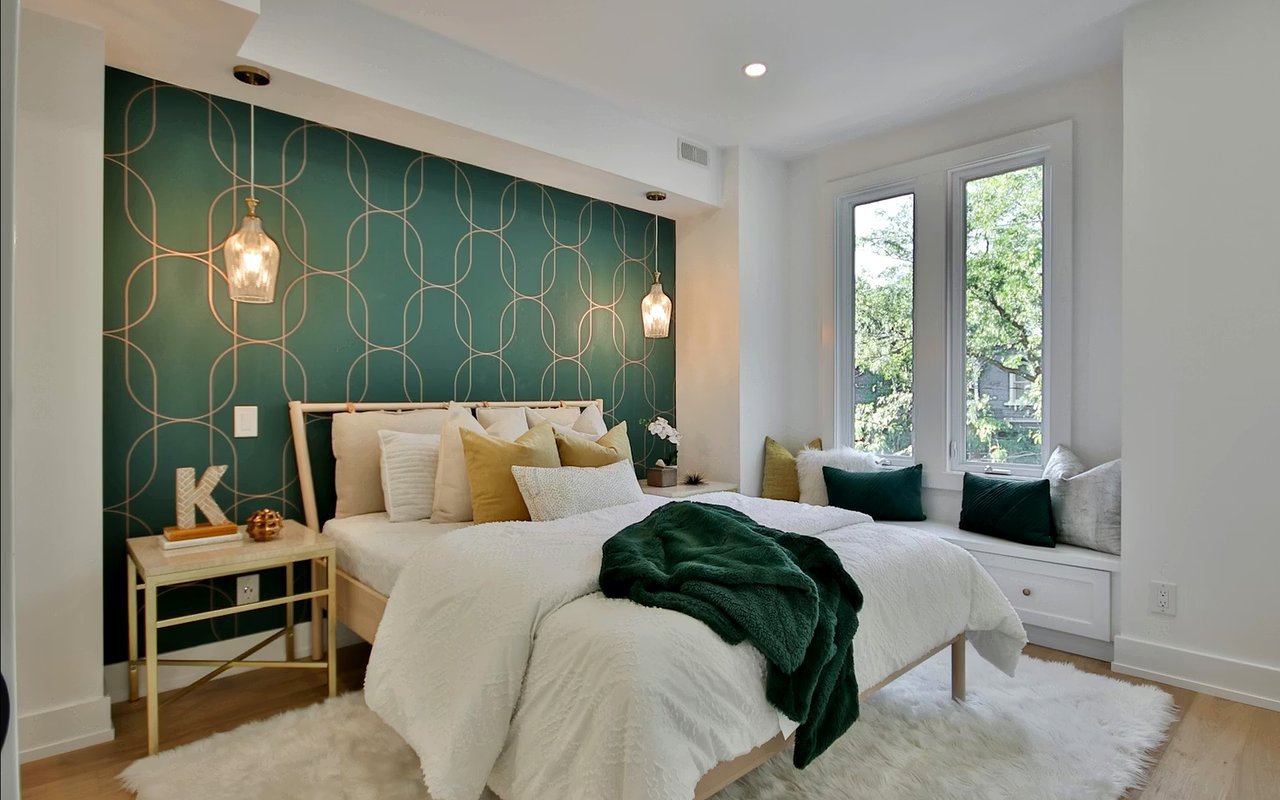
The primary suite in a well-considered Atherton estate should function as a private wellness environment. This does not mean clinical or cold; it means that every design decision, from the paint color on the wall to the mechanical systems in the ceiling, has been evaluated for how it contributes to or detracts from your ability to recover overnight.
In Atherton, properties are already positioned ahead of the curve. The town's canopy of mature trees buffers road noise, its zoning limits commercial density, and the lot sizes allow for meaningful separation between homes. These qualities are not incidental; they create the physical conditions that support quiet, undisturbed rest in ways that denser environments simply cannot replicate. When you add intentional interior design to that foundation, the results are exceptional.
The primary suite in a well-considered Atherton estate should function as a private wellness environment. This does not mean clinical or cold; it means that every design decision, from the paint color on the wall to the mechanical systems in the ceiling, has been evaluated for how it contributes to or detracts from your ability to recover overnight.
What Sleep Science Tells Us About Design
- Cooler room temperatures, typically between 65 and 68 degrees Fahrenheit, are associated with faster sleep onset and deeper sleep stages.
- Exposure to light in the blue spectrum, even briefly, suppresses melatonin production and delays the body's natural sleep signals.
- Noise levels above 35 decibels during sleep have been linked to increased nighttime waking and reduced time in restorative sleep stages.
- Poor indoor air quality, including elevated CO2, dust, and volatile organic compounds, is associated with fragmented sleep and morning fatigue.
- The visual complexity of a room, including clutter, high-contrast decor, and stimulating artwork, can elevate alertness and make settling down harder.
The Architecture of Darkness: Light Control Done Right
Light is the body's most powerful circadian signal. In a luxury primary suite, managing light is a design discipline in its own right. The goal is to create a space that can move between full blackout and gently diffused morning light with precision so that your body's natural rhythms are supported rather than disrupted.
Motorized shading systems have become a standard feature in high-end Atherton estates, and for good reason. Automated blackout shades that lower at a preset time send a behavioral signal to the body that sleep is approaching. When paired with sheer layers that filter rather than block morning light, they can also be programmed to gradually introduce daylight as a gentle, natural wake signal. This is circadian lighting in practice, and the difference in how you feel in the morning is significant.
Beyond shading, the artificial lighting plan in the suite matters enormously. Warm, low-intensity lighting in the evening hours supports melatonin production. Fixtures installed on dimmers, recessed lighting with warm color temperatures in the 2700K range, and deliberate placement that avoids ceiling glare overhead during the wind-down period all contribute to a bedroom that feels truly restorative.
Motorized shading systems have become a standard feature in high-end Atherton estates, and for good reason. Automated blackout shades that lower at a preset time send a behavioral signal to the body that sleep is approaching. When paired with sheer layers that filter rather than block morning light, they can also be programmed to gradually introduce daylight as a gentle, natural wake signal. This is circadian lighting in practice, and the difference in how you feel in the morning is significant.
Beyond shading, the artificial lighting plan in the suite matters enormously. Warm, low-intensity lighting in the evening hours supports melatonin production. Fixtures installed on dimmers, recessed lighting with warm color temperatures in the 2700K range, and deliberate placement that avoids ceiling glare overhead during the wind-down period all contribute to a bedroom that feels truly restorative.
Lighting Details Worth Investing In
- Motorized blackout shades with smart home integration allow for precise, scheduled light control without manual adjustment.
- Sheer underlayers in linen or silk allow diffused natural light during the day while maintaining a layered, considered aesthetic.
- Bedside lighting on individual dimmers lets each occupant control their immediate light environment independently.
- Warm-spectrum bulbs throughout the suite reinforce the body's evening wind-down signal.
- Eliminating bright overhead lighting as the primary source in the evening shifts the room's atmosphere from active to restorative.
Temperature, Air Quality, and the Science of Thermal Comfort
Temperature regulation is where many beautiful bedrooms fall short. Even in estates with sophisticated HVAC systems, the primary suite is often subject to the same thermostat settings as the rest of the house, creating conditions that are either too warm for optimal sleep or too variable to be relied upon. Dedicated zone control for the primary suite is one of the highest-return investments you can make in sleep quality.
Radiant systems, in-room climate control, and even cooling mattress technology can work together to keep the sleep environment in the ideal thermal range throughout the night. In Atherton, where cooler Peninsula nights naturally assist temperature management, a combination of operable windows or casements for cross-ventilation and a supplemental cooling system gives you flexibility across seasons without energy waste.
Air quality in the primary suite is equally important and often invisible until you start paying attention to it. High-quality whole-home air filtration, combined with HEPA air purifiers in the bedroom, can meaningfully reduce the particulates, allergens, and VOCs that compromise both sleep quality and morning respiratory clarity. In estates with newer construction or recent renovations, off-gassing from materials is worth addressing directly; specifying low-VOC finishes, paints, and textiles from the outset is the cleanest solution.
Radiant systems, in-room climate control, and even cooling mattress technology can work together to keep the sleep environment in the ideal thermal range throughout the night. In Atherton, where cooler Peninsula nights naturally assist temperature management, a combination of operable windows or casements for cross-ventilation and a supplemental cooling system gives you flexibility across seasons without energy waste.
Air quality in the primary suite is equally important and often invisible until you start paying attention to it. High-quality whole-home air filtration, combined with HEPA air purifiers in the bedroom, can meaningfully reduce the particulates, allergens, and VOCs that compromise both sleep quality and morning respiratory clarity. In estates with newer construction or recent renovations, off-gassing from materials is worth addressing directly; specifying low-VOC finishes, paints, and textiles from the outset is the cleanest solution.
What a Thoughtfully Climate-Controlled Suite Includes
- A dedicated HVAC zone for the primary suite allows precise temperature control independent of the rest of the home.
- In-ceiling fans with silent motors provide gentle air movement without the noise disruption of traditional fans.
- HEPA filtration and air purification systems reduce particulate matter and allergen load in the breathing zone.
- Low-VOC materials in construction and renovation protect air quality for the long term.
- Humidity control, particularly during dry Peninsula winters, prevents the respiratory disruption that leads to nighttime waking.
FAQs
What Makes Atherton Particularly Well-Suited for a Sleep-Optimized Home?
Atherton's physical characteristics make it one of the most naturally quiet and restorative residential environments on the Peninsula. The large lot sizes, mature tree canopy, and absence of commercial activity create a baseline acoustic and light environment that supports sleep in ways that denser communities cannot. When you layer intentional interior design onto that foundation, the results are exceptional.
How Do Motorized Shading Systems Work in a Smart Home Context?
Motorized shades can be integrated into a home's broader automation system, allowing them to operate on a schedule, respond to sunrise and sunset times, or be adjusted from a bedside panel or phone. In a sleep-optimized suite, they are typically programmed to lower at a set evening time and to gradually introduce light in the morning, functioning as a gentle environmental cue that supports the body's circadian rhythm rather than disrupting it.
Is Air Quality in a Bedroom Really That Important?
Research consistently links indoor air quality to sleep outcomes. Elevated CO2, dust, allergens, and VOCs from construction materials and furnishings are all associated with fragmented sleep, morning headaches, and respiratory disruption during the night. In a newly renovated or constructed home, specifying low-VOC finishes from the beginning is the most effective approach; in an existing suite, high-quality air purification makes a meaningful difference.
What Is the Ideal Temperature Range for Sleep?
Sleep researchers generally point to 65 to 68 degrees Fahrenheit as the optimal range for most adults. The body's core temperature naturally drops as part of the sleep onset process, and a cool room supports that shift. A dedicated thermostat zone for the primary suite gives you precise control that a whole-home system cannot provide.
Does Sleep Environment Design Add Value to an Atherton Property?
Thoughtfully designed primary suites, particularly those with integrated climate control, motorized shading, premium air quality systems, and high-end textile finishes, are increasingly recognized as meaningful differentiators in the luxury market. Buyers who prioritize wellness and performance understand the value of a sleep environment that has been designed with as much care as the rest of the home.
Rest Well in the Home You Deserve
The home you live in shapes the quality of life you experience every single day. In Atherton, where the surrounding environment already offers so many natural advantages, the opportunity to build a sleep sanctuary that supports your health, energy, and well-being is extraordinary. Every decision, from the shading system to the thread count to the HVAC zone configuration, is a chance to invest in the version of yourself that wakes up restored.
Our team at Forster Jones International works closely with clients across Atherton and the Peninsula who understand that the finest homes are designed for how they make you feel, not just how they look. Whether you are exploring the market, planning a renovation, or preparing a property that speaks to the most discerning buyers, we bring the expertise and relationships to help you realize that vision. Connect with our team today to begin the conversation.
Our team at Forster Jones International works closely with clients across Atherton and the Peninsula who understand that the finest homes are designed for how they make you feel, not just how they look. Whether you are exploring the market, planning a renovation, or preparing a property that speaks to the most discerning buyers, we bring the expertise and relationships to help you realize that vision. Connect with our team today to begin the conversation.