By Forster Jones International
Menlo Park has always occupied a distinct place in the Bay Area's luxury real estate conversation. With its tree-lined streets and proximity to Stanford University, the city attracts buyers who want their homes to reflect both refined taste and a forward-thinking sensibility. In 2026, that combination is producing some of the most compelling residential designs the Peninsula has seen in years.
If you're preparing to list a high-end property here or searching for a home that delivers on every level, understanding what today's luxury buyers actually want to see is essential. Design preferences have shifted meaningfully since the mid-2020s, and the homes generating the most interest are those that anticipate where lifestyle is heading rather than simply reflecting where it has been. From materials and finishes to how square footage is used, the most coveted properties in Menlo Park are telling a new story.
This guide breaks down the luxury home design trends defining the market right now, so you can make informed decisions whether you're renovating before a sale, building from the ground up, or evaluating properties as a discerning buyer.
Key Takeaways
- Organic and natural materials are replacing high-gloss finishes as the dominant aesthetic in Menlo Park’s luxury homes.
- Dedicated wellness spaces have moved from a luxury upgrade to a baseline expectation among high-net-worth buyers.
- Indoor-outdoor living remains central to Peninsula design, with more sophisticated integration than ever before.
- Smart home technology is now embedded seamlessly into architecture rather than bolted on as an afterthought.
- Sustainability and energy performance are key value drivers in the luxury segment.
The Return to Natural Materials and Tactile Finishes
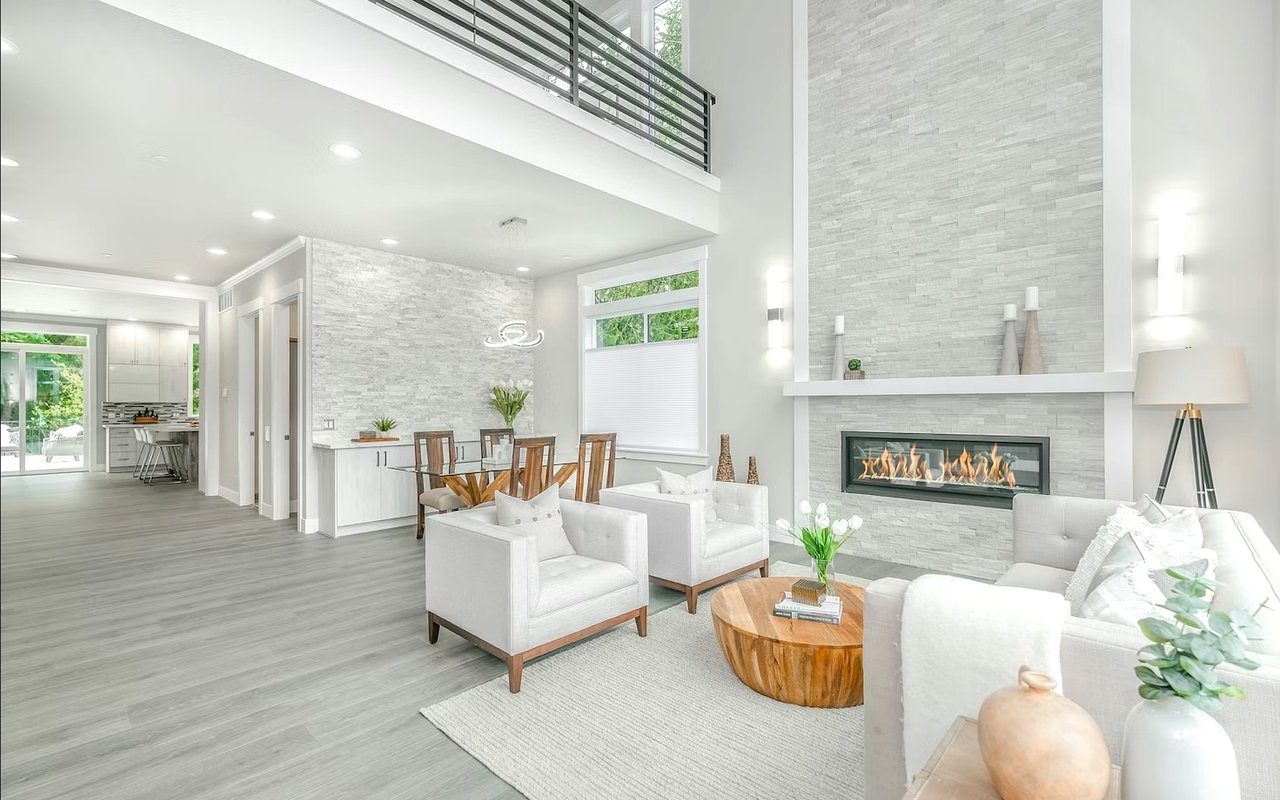
For much of the past decade, luxury interiors leaned into sleek surfaces, high-gloss cabinetry, and a certain minimalist sterility that read as aspirational. That aesthetic is giving way to something warmer and more grounded in Menlo Park's top-tier homes. Buyers in 2026 are gravitating toward materials that feel alive, including stone with visible veining, aged oak and walnut, raw linen, handmade ceramic tile, and plaster walls that invite touch rather than deflect it.
This isn't a retreat from sophistication; it's a redefinition of it. The warmth of a Calacatta marble island in a chef's kitchen, the depth of a hand-rubbed walnut floor that shifts with the light, the matte texture of a limewash wall in a primary bedroom — these choices communicate something that factory-smooth surfaces cannot. They signal that a home has been curated rather than assembled.
For sellers, this trend means that dated interiors dominated by cold finishes may benefit from targeted updates before going to market. For buyers, it means knowing which properties have already made that transition and which ones are priced to reflect the upgrades still to be done.
This isn't a retreat from sophistication; it's a redefinition of it. The warmth of a Calacatta marble island in a chef's kitchen, the depth of a hand-rubbed walnut floor that shifts with the light, the matte texture of a limewash wall in a primary bedroom — these choices communicate something that factory-smooth surfaces cannot. They signal that a home has been curated rather than assembled.
For sellers, this trend means that dated interiors dominated by cold finishes may benefit from targeted updates before going to market. For buyers, it means knowing which properties have already made that transition and which ones are priced to reflect the upgrades still to be done.
Materials Defining the 2026 Menlo Park Luxury Interior
- Honed or leathered stone countertops and flooring, prized for their matte depth and tactile quality.
- Live-edge and bookmatched wood slabs in statement applications, such as kitchen islands, dining tables, and feature walls.
- Limewash and Venetian plaster wall treatments that create visual movement without pattern or color overwhelm.
- Handcrafted tile in kitchens, baths, and entryways, often sourced from studios in Europe or Latin America.
- Rattan, cane, and woven natural textiles appearing in high-design applications that feel far from casual.
Wellness-Centered Design
The concept of the home as a place of recovery, not just rest, has fully arrived in Menlo Park's luxury market. Where a home gym and spa bath once represented optional upgrades for the most premium listings, they are increasingly expected at the top of the price range. What's changed is the depth of commitment: buyers want purpose-built spaces, not rooms that have been repurposed.
In practice, this means you’ll find homes with dedicated wellness wings that include infrared saunas, cold plunge pools, meditation rooms with acoustic insulation, and professional-grade fitness spaces designed around natural light and air circulation. The most sought-after configurations integrate these spaces as a cohesive suite rather than scattering them across the floor plan. The idea is that wellness is woven into how the home is used every day, not merely saved for weekends.
Outdoor wellness is equally important. Menlo Park's mild climate makes year-round use realistic, and buyers are looking for properties where an early morning practice, an evening swim, or a cold plunge after a workout doesn't require going anywhere. The yard and garden are understood as extensions of this ecosystem, not just landscaping.
In practice, this means you’ll find homes with dedicated wellness wings that include infrared saunas, cold plunge pools, meditation rooms with acoustic insulation, and professional-grade fitness spaces designed around natural light and air circulation. The most sought-after configurations integrate these spaces as a cohesive suite rather than scattering them across the floor plan. The idea is that wellness is woven into how the home is used every day, not merely saved for weekends.
Outdoor wellness is equally important. Menlo Park's mild climate makes year-round use realistic, and buyers are looking for properties where an early morning practice, an evening swim, or a cold plunge after a workout doesn't require going anywhere. The yard and garden are understood as extensions of this ecosystem, not just landscaping.
Wellness Features Buyers Are Actively Seeking
- Infrared saunas with natural cedar interiors and chromotherapy lighting options.
- Plunge pools or cold immersion tubs integrated into the primary bath or outdoor living area.
- Dedicated yoga or meditation rooms with cork flooring, blackout capability, and sound dampening.
- Home gyms with rubberized flooring, mirrored walls, and direct outdoor access or views.
- Air filtration and purification systems built into the HVAC infrastructure rather than added with portable units.
Indoor-Outdoor Living, Reimagined for 2026
The open-plan connection between interior and exterior has long been a hallmark of luxury homes in California. What has changed is how far that integration can actually go. The newest generation of Menlo Park’s luxury homes treats the boundary between inside and outside as something that nearly disappears, with full-wall systems that fold or pocket away, covered outdoor rooms with heating and ceiling fans, and kitchens that continue seamlessly onto exterior counters and cooking stations.
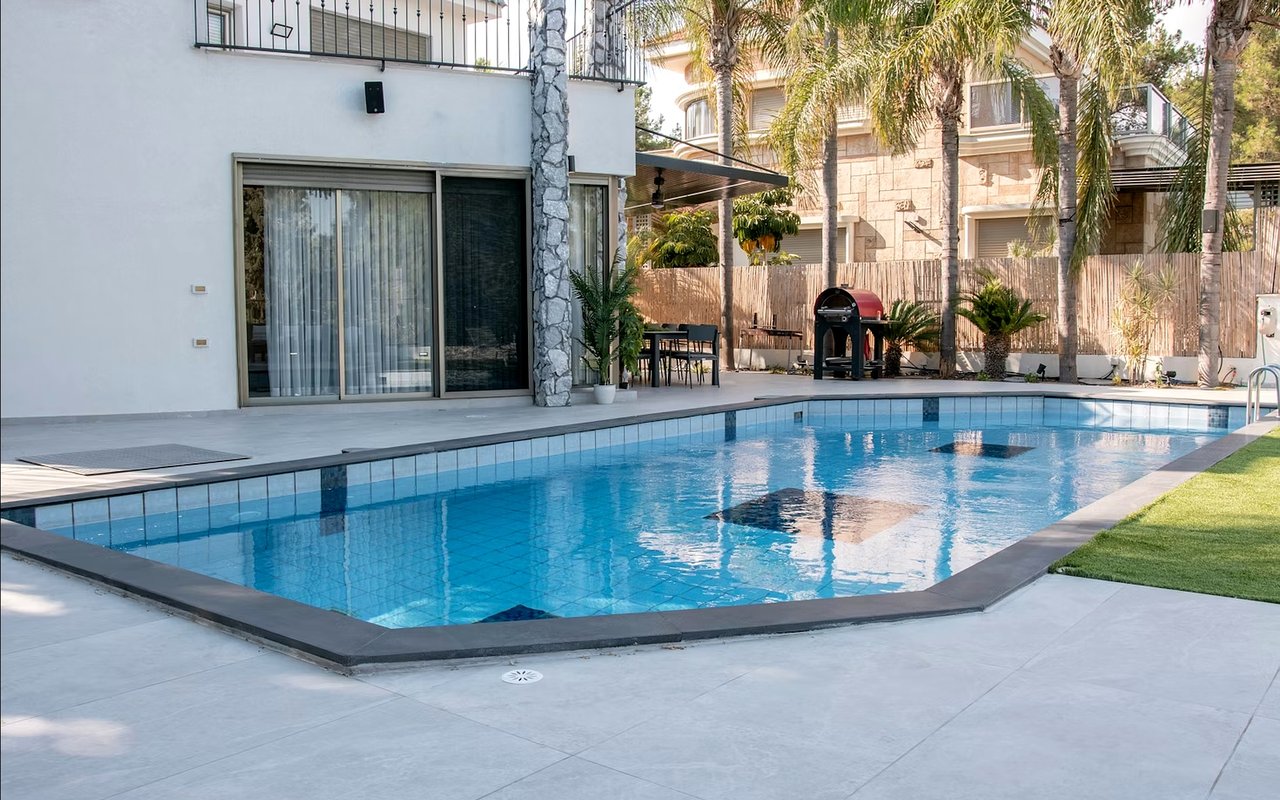
The backyard of a top-tier Menlo Park home in 2026 functions as a second living wing. Outdoor dining areas are designed with the same intention as interior dining rooms, complete with built-in lighting, weather-resistant upholstered furniture, and fire features that extend usability well into the evening. Pools have evolved from recreational amenities to design anchors around which the entire outdoor space is organized, often featuring overflow edges, in-water seating ledges, and landscaping that creates a sense of enclosure without walls.
Buyers are also paying close attention to the transition zones between interior and exterior. The threshold, the covered terrace, the loggia, the pool pavilion — these spaces are evaluated as seriously as any room inside the home.
The backyard of a top-tier Menlo Park home in 2026 functions as a second living wing. Outdoor dining areas are designed with the same intention as interior dining rooms, complete with built-in lighting, weather-resistant upholstered furniture, and fire features that extend usability well into the evening. Pools have evolved from recreational amenities to design anchors around which the entire outdoor space is organized, often featuring overflow edges, in-water seating ledges, and landscaping that creates a sense of enclosure without walls.
Buyers are also paying close attention to the transition zones between interior and exterior. The threshold, the covered terrace, the loggia, the pool pavilion — these spaces are evaluated as seriously as any room inside the home.
Outdoor Living Elements Commanding Buyer Attention
- Fully equipped outdoor kitchens with high-BTU gas ranges, refrigeration, and weatherproof cabinetry.
- Covered terraces with radiant ceiling heaters, retractable shade systems, and integrated audio.
- Pools designed as visual centerpieces with vanishing edges, water features, and curated surround material.
- Landscaping that uses layered native and Mediterranean plantings to create serenity and year-round visual interest.
- Outdoor dining pavilions built to accommodate serious entertaining, with lighting and spatial flow that mirror interior dining rooms.
Technology That Disappears Into the Architecture
Smart home features are table stakes in luxury real estate now, but the way they're being delivered has evolved. Buyers in 2026 are not impressed by a long list of gadget integrations; they want systems that work invisibly and intuitively, requiring minimal management while maximizing comfort and efficiency.
The homes generating the most interest are those where technology has been considered from the beginning of the design process rather than added during the fit-out. Motorized window treatments that respond to sun position, whole-home audio that distributes perfectly without visible speakers, lighting systems that shift with circadian rhythms, and climate control that learns occupant behavior over time are the features buyers notice, precisely because they don't call attention to themselves.
The homes generating the most interest are those where technology has been considered from the beginning of the design process rather than added during the fit-out. Motorized window treatments that respond to sun position, whole-home audio that distributes perfectly without visible speakers, lighting systems that shift with circadian rhythms, and climate control that learns occupant behavior over time are the features buyers notice, precisely because they don't call attention to themselves.
Technology Features Integrated at the Architecture Level
- Lutron or similar whole-home lighting systems with scene programming and daylight harvesting built into the design.
- Invisible in-wall and in-ceiling speaker arrays that deliver audiophile-quality sound throughout the home.
- Automated solar shading on south- and west-facing glazing that manages heat gain without interrupting views.
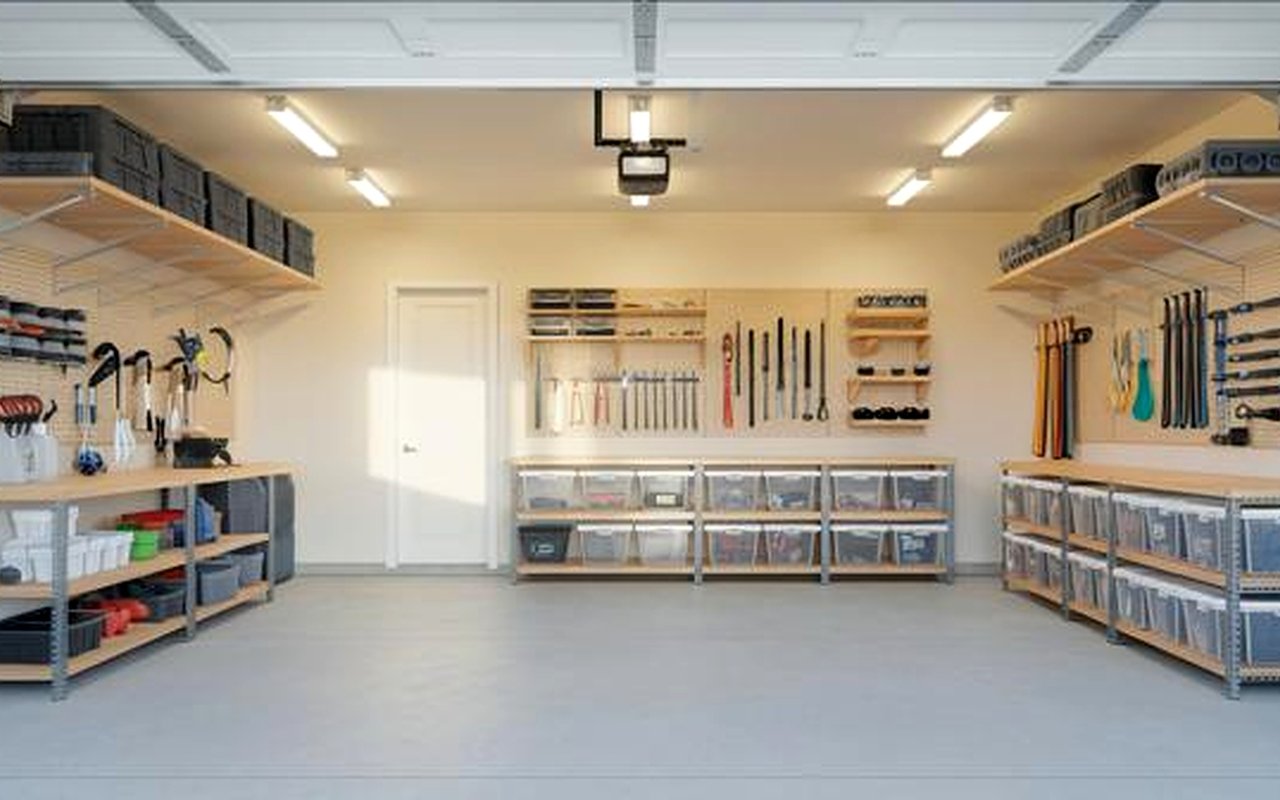
- EV charging infrastructure for multiple vehicles integrated into the garage design from the start.
- Whole-home energy monitoring systems that connect solar, battery storage, and grid use in a single interface.
FAQs
What Are the Most In-Demand Luxury Home Features in Menlo Park Right Now?
In 2026, the most in-demand features among Menlo Park luxury buyers are wellness spaces, such as infrared saunas and dedicated fitness rooms; seamless indoor-outdoor living with high-performance door systems and fully equipped outdoor entertaining areas; and smart home integration that operates invisibly. Natural materials and finishes are also highly valued for the warmth and authenticity they bring to interior spaces.
How Does Menlo Park's Climate Influence Luxury Home Design?
Menlo Park's mild, Mediterranean-influenced climate makes it possible to design homes where the outdoors functions as a true extension of the living space for most of the year. This drives strong demand for covered outdoor rooms, year-round pool and spa use, and interior-to-exterior connections that make the transition between spaces feel effortless.
Is It Worth Updating a Home's Finishes Before Listing?
For homes at the top of the market, targeted updates can meaningfully improve both price and time on market. The highest-return areas tend to be the primary kitchen, the primary bath, and the main living spaces — particularly if existing finishes are more than ten years old and don't reflect current buyer preferences for natural materials and warm tones. Our team can advise you on which updates are worth prioritizing given your timeline and price point.
What Should Buyers Prioritize When Evaluating a Luxury Home's Design?
Beyond the aesthetic, buyers should evaluate how well the home's systems and spaces will hold up over time. This means looking at the quality of the building envelope, the condition and capacity of the mechanical systems, the thoughtfulness of the indoor-outdoor connection, and whether technology has been integrated in a way that can be updated as capabilities evolve. Our team helps buyers assess these factors alongside the visible design elements so the decision is grounded in the full picture.
Design That Endures and Investments That Deliver
Menlo Park's luxury real estate market rewards homes that have been thought about carefully. The trends shaping 2026 are not passing moments; they represent a meaningful shift toward spaces that feel restorative, connected to their environment, and built with integrity in every material and system.
Whether you're preparing a property for sale, searching for a home that checks every box, or considering renovations that will move the needle on value, understanding these trends is the foundation for making decisions you'll be confident in.
Our team at Forster Jones International brings unrivaled knowledge of Menlo Park's luxury real estate market and an eye for the design and lifestyle factors that drive value. Connect with us to explore what's available, find out what your home is worth in today's market, or discover how we can guide you through every step of buying or selling with the clarity and precision this market demands.
Whether you're preparing a property for sale, searching for a home that checks every box, or considering renovations that will move the needle on value, understanding these trends is the foundation for making decisions you'll be confident in.
Our team at Forster Jones International brings unrivaled knowledge of Menlo Park's luxury real estate market and an eye for the design and lifestyle factors that drive value. Connect with us to explore what's available, find out what your home is worth in today's market, or discover how we can guide you through every step of buying or selling with the clarity and precision this market demands.