Cheviot Hills, Los Angeles
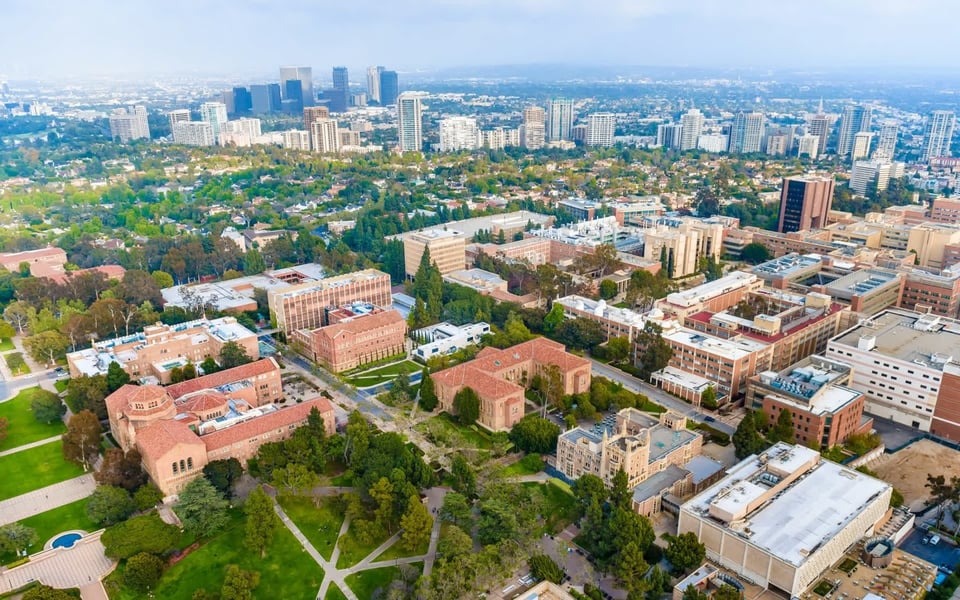
Cheviot Hills occupies a residential pocket of the Westside between Century City, Rancho Park, Beverlywood, and Culver City. Much of the neighborhood sits within the 90064 ZIP code, with gently rolling streets that set it apart from the flatter commercial corridors nearby.
Unlike neighborhoods organized around one central shopping district, Cheviot Hills is primarily residential. Daily errands, restaurants, and larger shopping destinations sit around its edges, while the interior is defined by winding streets, mature landscaping, single-family homes, and large recreation areas.
Motor Avenue runs along the eastern side of the neighborhood and connects residents with Cheviot Hills Recreation Center, Rancho Park, Pico Boulevard, and routes toward Culver City.
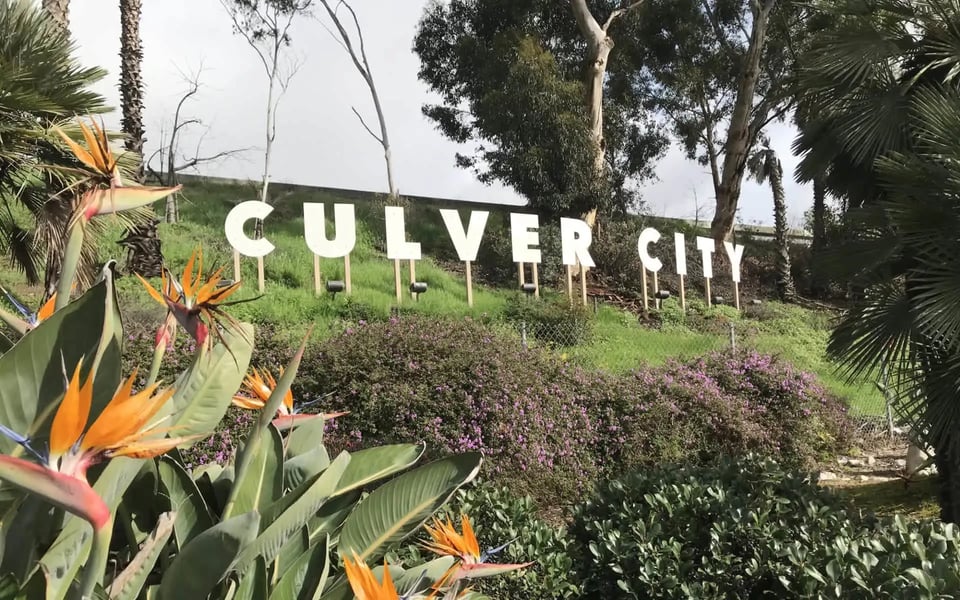
To the north, Century City places offices, dining, shopping, and entertainment close by. Westwood lies just beyond it, while Culver City provides another major dining, employment, and entertainment center to the south.
Cheviot Hills ZIP Code
Cheviot Hills is closely associated with the 90064 ZIP code, which also includes parts of the surrounding West Los Angeles and Rancho Park area.
Within Cheviot Hills itself, the neighborhood is better recognized by its curved residential streets, rolling terrain, recreation facilities, and concentration of single-family homes.
Neighborhood History
The street pattern in Cheviot Hills is part of the neighborhood’s identity.
Development began around 1924 as Los Angeles expanded westward. Rather than using a strict street grid, the original plan followed the area’s rolling terrain with curved roads and irregular blocks.
The neighborhood was named after the Cheviot Hills along the England-Scotland border. That influence still appears in street names such as Troon, Dumfries, Dunleer, and Wigtown.
These streets were laid out as part of a residential subdivision developed by Frans Nelson & Son. Homes were generally built individually as lots sold rather than repeating one standard house design throughout the tract.
That early approach helps explain why Cheviot Hills still has such a varied residential streetscape today.
Cheviot Hills Real Estate
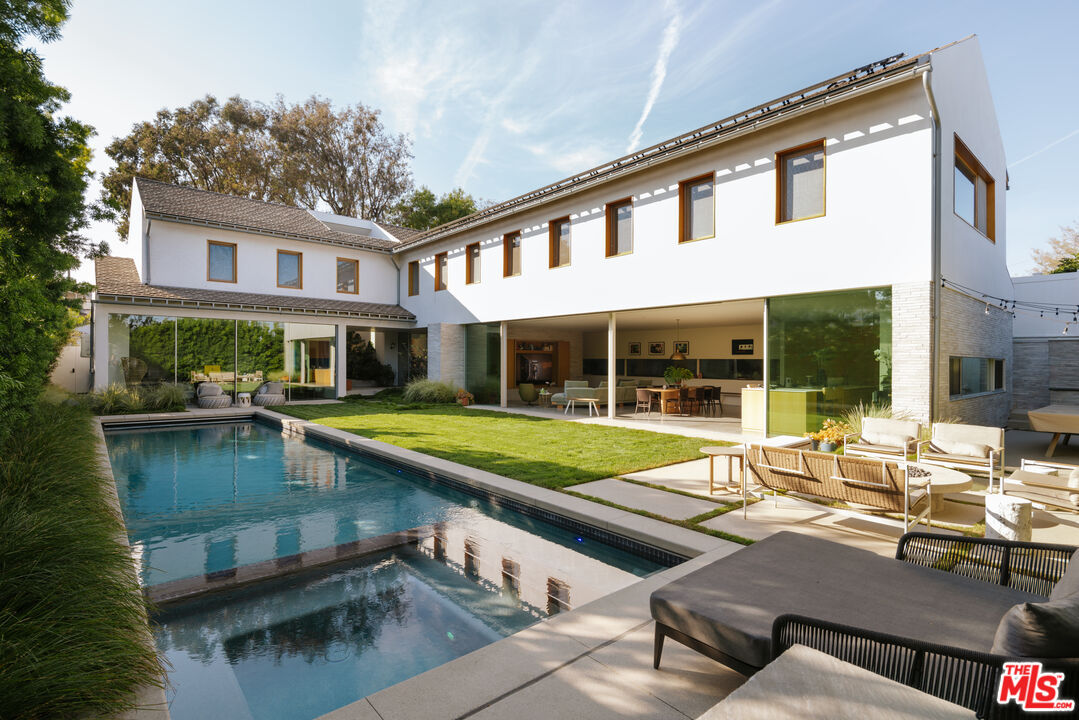
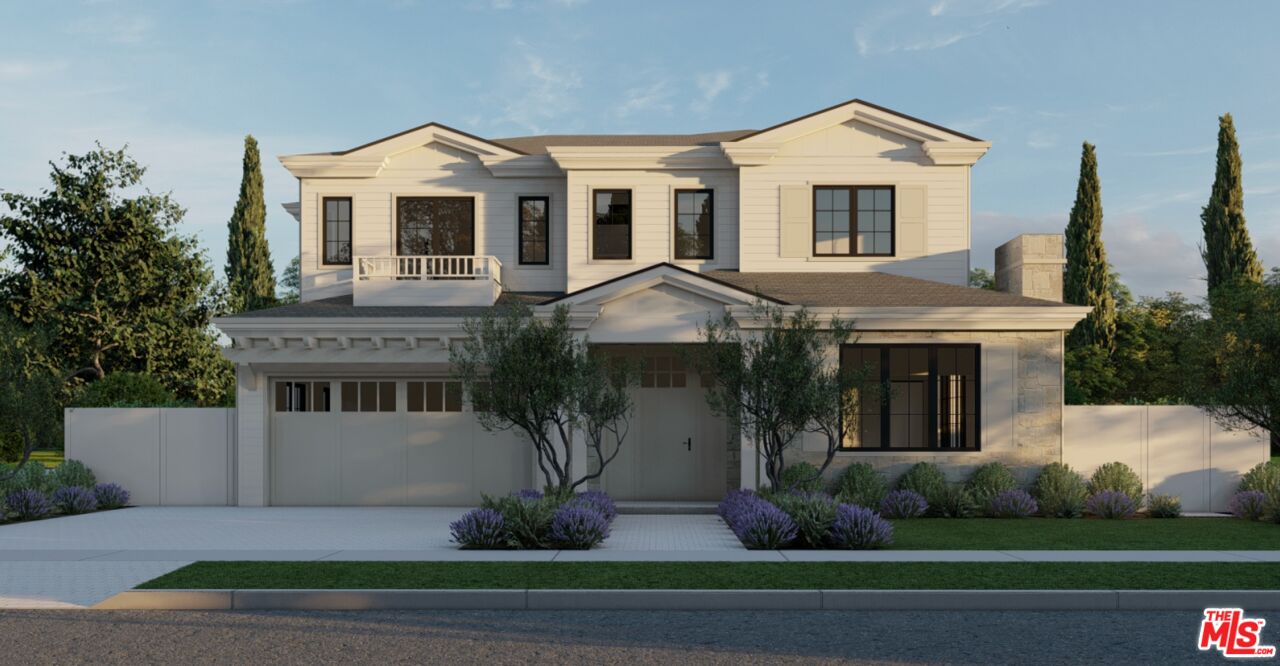
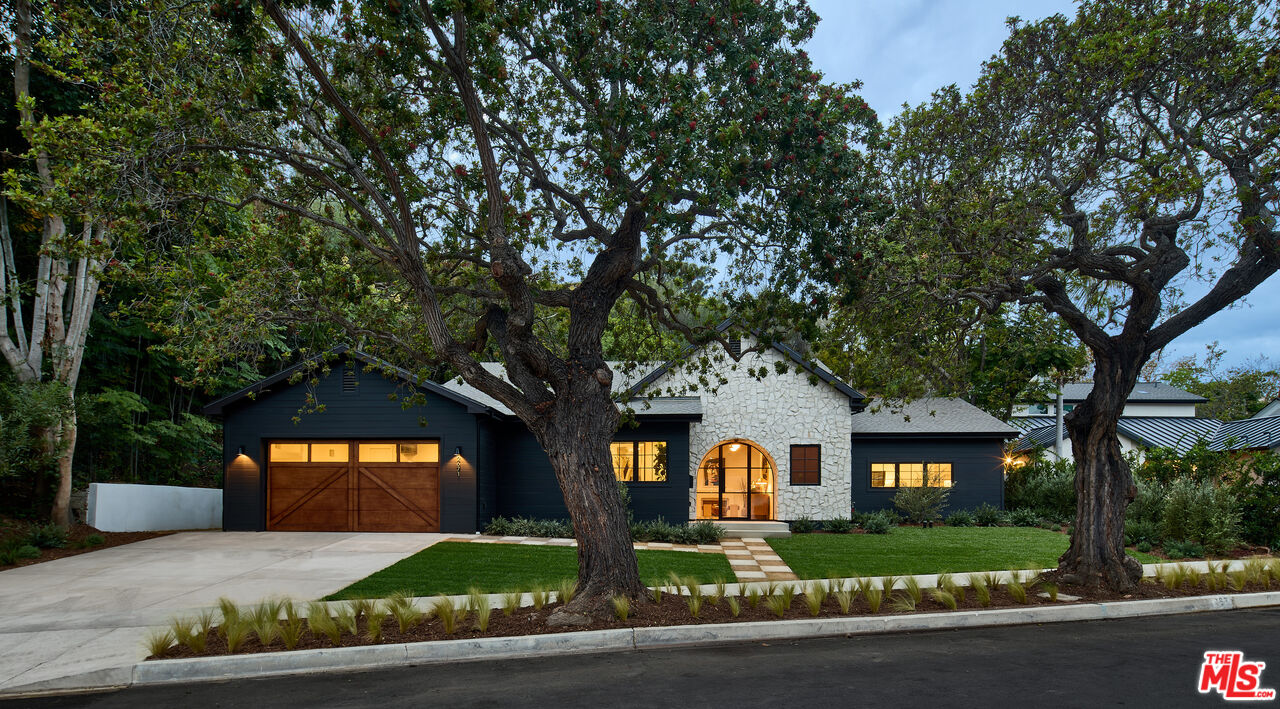
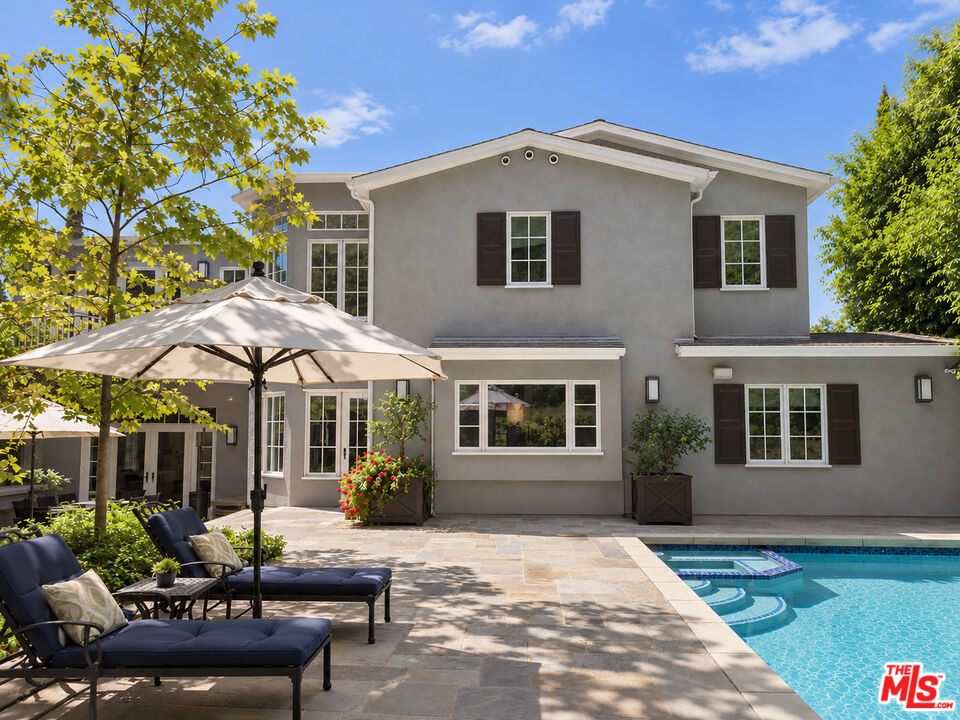
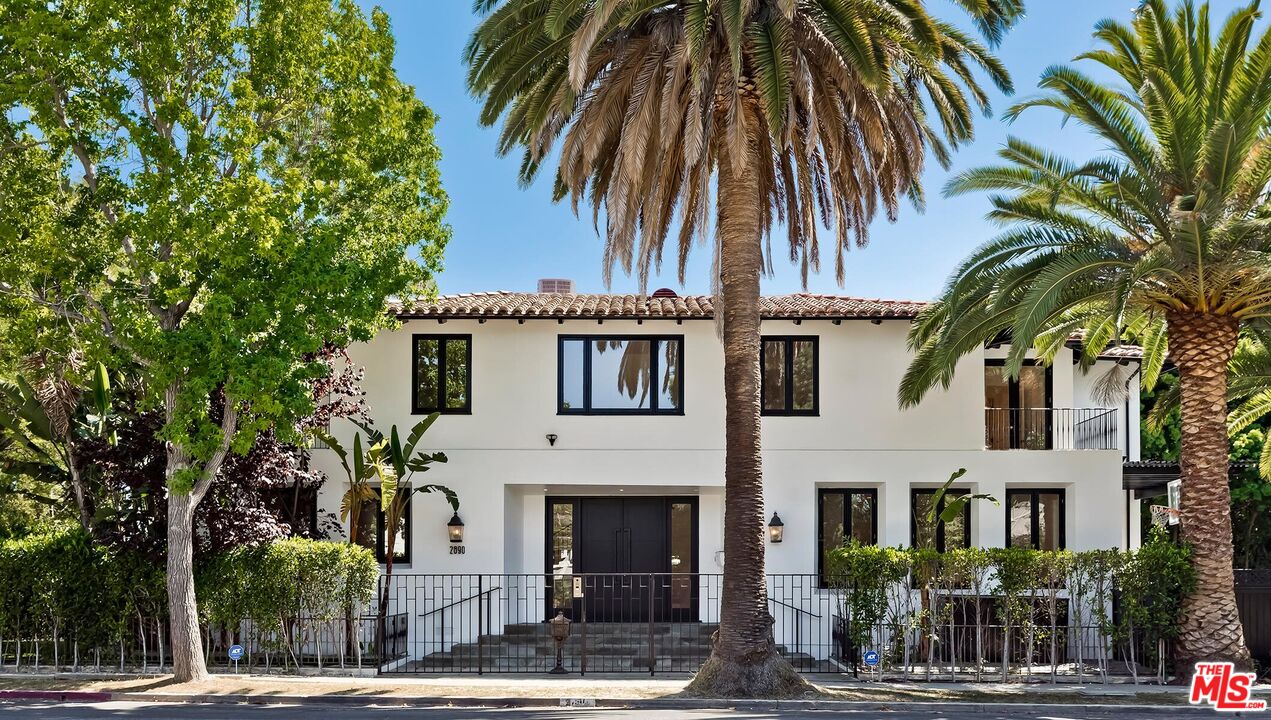
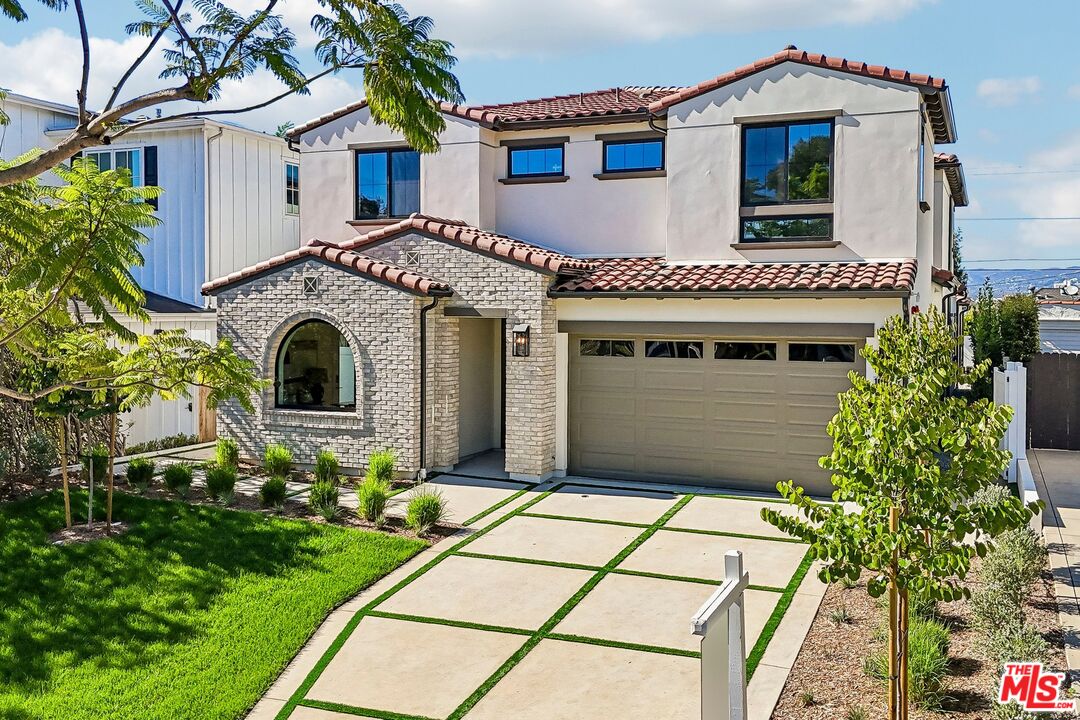
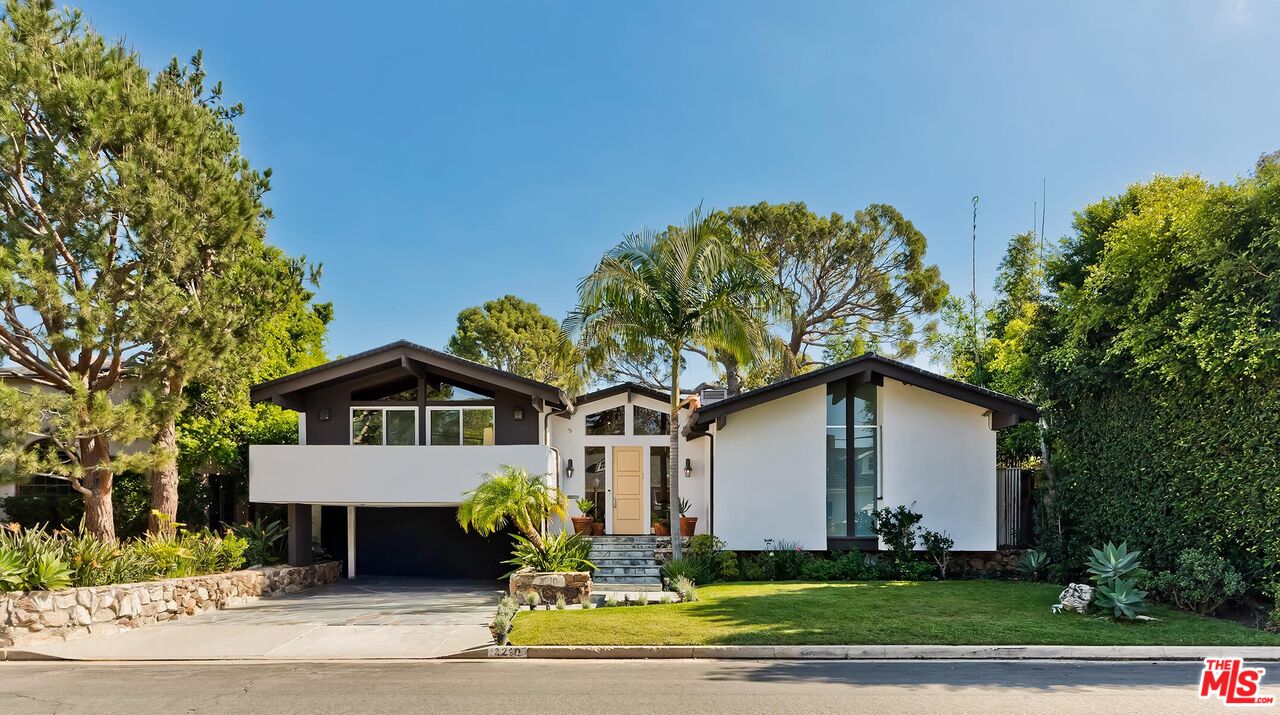
Cheviot Hills real estate reflects several periods of Los Angeles residential design.
The original neighborhood includes American Colonial Revival, Tudor Revival, French Norman Revival, Mediterranean Revival, Spanish Colonial Revival, and ranch-style homes. Many date to the neighborhood’s development from the 1920s through the 1940s.
Because homes were built individually rather than as rows of identical houses, architectural styles can change noticeably along the same street.
The hills also influence how homes sit on their lots. Properties at higher elevations may take advantage of views toward Century City and surrounding areas, while other streets are shaped by deeper setbacks, mature landscaping, and curved roadways.
Newer construction and extensively updated homes now sit alongside the neighborhood’s earlier architecture, giving buyers a mix of traditional and contemporary residential design.
Residential Character
Cheviot Hills was not developed as a uniform tract of repeating houses. Its early lots were sold individually, allowing different architectural styles to develop along the same streets.
That history remains visible today, particularly along streets such as Queensbury Drive, Glenbarr Avenue, Manning Drive, and Troon Avenue.
Motor Avenue Recreation
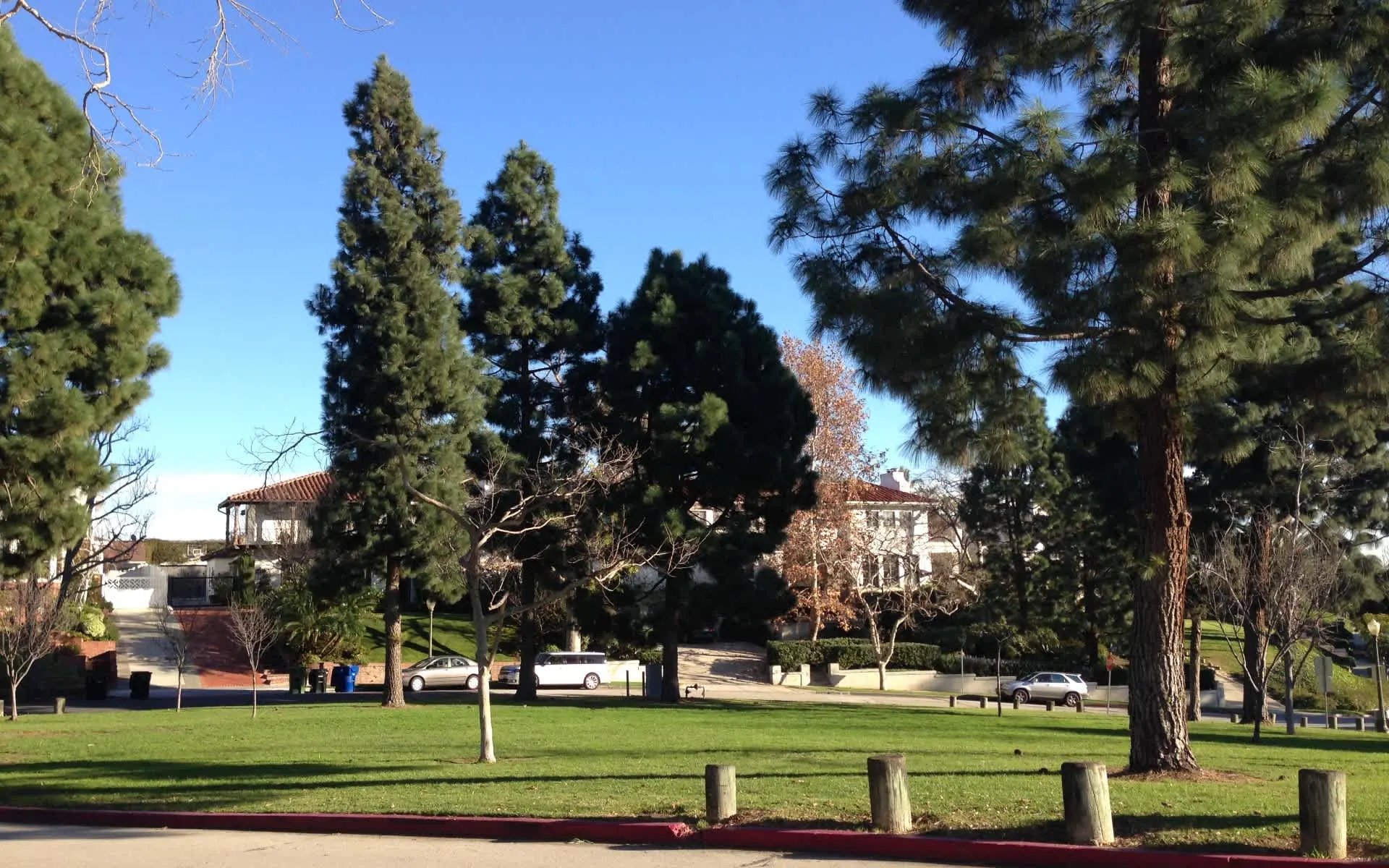
One of the most defining features of Cheviot Hills is the amount of recreation concentrated along Motor Avenue.
Cheviot Hills Recreation Center at 2551 Motor Avenue includes tennis courts, basketball courts, baseball fields, a children’s play area, pétanque courts, picnic areas, an archery range, community rooms, and a seasonal outdoor pool.
The recreation center also hosts youth and adult sports, fitness programs, arts classes, camps, and other community programming throughout the year.
Immediately beside the neighborhood, Rancho Park Golf Course adds another major outdoor amenity. The municipal complex includes an 18-hole championship course, driving range, practice areas, and a separate par-3 course.
Together, the recreation center and golf facilities create a large green corridor along this part of Cheviot Hills rather than a single small neighborhood park.
Dining and Daily Life
Pico Boulevard provides many of the restaurants and everyday services closest to Cheviot Hills.
The stretch near Motor Avenue includes neighborhood restaurants and long-established Los Angeles businesses. John O’Groats has served breakfast and lunch on West Pico Boulevard for more than four decades.
Farther west, The Apple Pan has been serving its counter-style burgers and pies on Pico Boulevard since the 1940s.
Pico also connects Cheviot Hills with Rancho Park, Westwood, Century City, and commercial areas farther east. This gives residents access to dining and daily services without placing a major commercial corridor through the residential center of the neighborhood.
Motor Avenue provides another direct connection between Cheviot Hills, the recreation center, Pico Boulevard, and Culver City.
Westside Location
Century City sits immediately north of Cheviot Hills and is an important part of the neighborhood’s Westside location.
Its office towers, business district, restaurants, and Westfield Century City provide a major employment and shopping center close to the neighborhood.
That location can be particularly useful for buyers who want a primarily residential setting while remaining close to Century City, Westwood, Beverly Hills, and Culver City.
The contrast is easy to see. Cheviot Hills remains largely low-rise and residential, while Century City’s skyline rises just beyond the neighborhood.
For buyers comparing Westside communities, that relationship is one of the clearest ways to understand where Cheviot Hills fits within Los Angeles.
Education
Families researching Cheviot Hills can explore several LAUSD schools in and around the neighborhood.
Overland Avenue Elementary is located within Cheviot Hills and serves students from transitional kindergarten through fifth grade.
Castle Heights Elementary sits between Cheviot Hills, Beverlywood, and Culver City. It serves elementary grades and offers a School for Advanced Studies program along with additional enrichment.
Alexander Hamilton High School is located nearby on South Robertson Boulevard. Its programs include Performing Arts and Humanities magnets, a School for Advanced Studies, and specialized academic pathways.
School attendance areas and program eligibility can vary by address, so buyers can confirm current LAUSD information while comparing individual properties.
Westside Connections
Cheviot Hills sits near several of the Westside’s main east-west and north-south routes.
Motor Avenue runs along the neighborhood and connects toward Pico Boulevard and Culver City. Pico Boulevard leads toward Century City, Westwood, and West Los Angeles, while nearby Olympic Boulevard provides another east-west route across the Westside.
The Metro E Line’s Westwood/Rancho Park station is also nearby. The E Line connects west toward Santa Monica and east through Culver City and Downtown Los Angeles.
For residents traveling locally, Cheviot Hills’ position between Century City and Culver City places several major Westside destinations within the surrounding area.
Cheviot Hills 90064
Cheviot Hills is closely associated with the 90064 ZIP code, although the ZIP code also covers parts of the surrounding West Los Angeles and Rancho Park area.
Within Cheviot Hills itself, the residential core is defined more by its curved streets, rolling terrain, recreation facilities, and concentration of single-family homes than by the ZIP code boundary alone.
The original Cheviot Hills planning area includes streets such as Glenbarr Avenue, Queensbury Drive, Manning Drive, and Troon Avenue.
Nearby residential tracts developed under names including Monte Mar Vista, Country Club Highlands, and Cheviot Knolls before becoming associated with the broader neighborhood commonly known as Cheviot Hills today.
Local Lifestyle
A weekend in Cheviot Hills can begin close to home at the recreation center.
Residents can use the tennis courts, walk around the park, play basketball, visit the seasonal pool, or spend time at Rancho Park Golf Course.
Pico Boulevard provides nearby options for breakfast or lunch, while Century City adds a larger concentration of shopping, dining, and entertainment just north of the neighborhood.
Culver City is another natural direction for restaurants, movies, cultural destinations, and other activities.
The location makes it easy to move between several Westside destinations while returning to a neighborhood that remains predominantly residential.
Explore the Westside
Cheviot Hills sits between several Westside communities that offer distinctly different residential settings.
To the north, Westwood and Century City combine residential areas with major employment, retail, cultural, and entertainment destinations.
To the south and southeast, Culver City offers a more concentrated dining and entertainment district along with major creative-industry offices.
Immediately east, Beverlywood provides another established residential setting with traditional architecture and easy access to the central Westside.
Cheviot Hills Real Estate
Cheviot Hills combines distinctive residential architecture, rolling streets, major recreation facilities, and a central position between Century City and Culver City.
Browse current Cheviot Hills homes for sale to compare architecture, locations, and available properties throughout the neighborhood.
7,202 people live in Cheviot Hills, where the median age is 48 and the average individual income is $127,236. Data provided by the U.S. Census Bureau.
Total Population
Median Age
Population Density Population Density This is the number of people per square mile in a neighborhood.
Average individual Income
There's plenty to do around Cheviot Hills, including shopping, dining, nightlife, parks, and more. Data provided by Walk Score and Yelp.
Explore popular things to do in the area, including Psychic Professor Sasi.
Cheviot Hills has 2,838 households, with an average household size of 3. Data provided by the U.S. Census Bureau. Here’s what the people living in Cheviot Hills do for work — and how long it takes them to get there. Data provided by the U.S. Census Bureau. 7,202 people call Cheviot Hills home. The population density is 7,408 and the largest age group is Data provided by the U.S. Census Bureau.
Total Population
Population Density Population Density This is the number of people per square mile in a neighborhood.
Median Age
Men vs Women
Population by Age Group
0-9 Years
10-17 Years
18-24 Years
25-64 Years
65-74 Years
75+ Years
Education Level
Total Households
Average Household Size
Average individual Income
Households with Children
With Children:
Without Children:
Marital Status
Blue vs White Collar Workers
Blue Collar:
White Collar: